Biomimicry for Regenerative Design (BiRD)

What would a jungle say if it could speak?

At Green School Bali, young people ask questions like this, and then they design with the answers.

BiRD, our Biomimicry for Regenerative Design approach, is how they learn. They study how living systems work, listen to the people and places around them, and design with the living world. It runs from Pre-K to Grade 12, and it is the first of its kind. Its learning journey was co-designed with the biomimicry and regenerative design specialists Andy Middleton and Denise DeLuca.
What BiRD looks like, from Pre-K to Grade 12

From early observations of the living world to independent research and real-world design challenges, students develop the knowledge, skills, and confidence to tackle increasingly complex questions.

High School

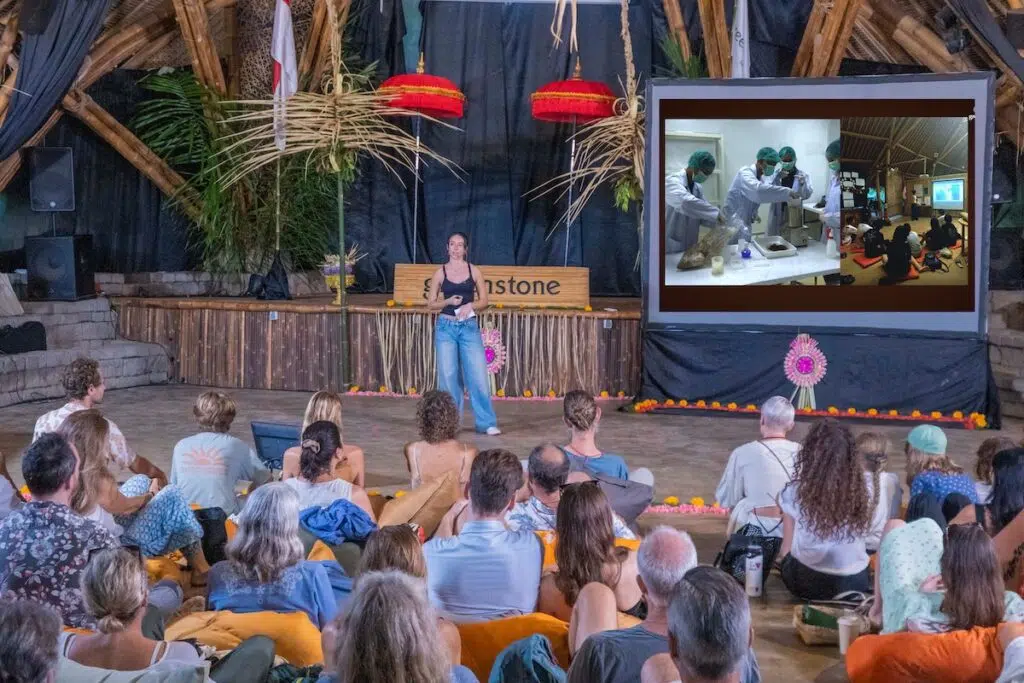
Research for outside businesses, testing whether pineapple fibre can replace concrete. In Greenstone, a two-year capstone, a student explored mycelium as a natural water filter.

Middle School

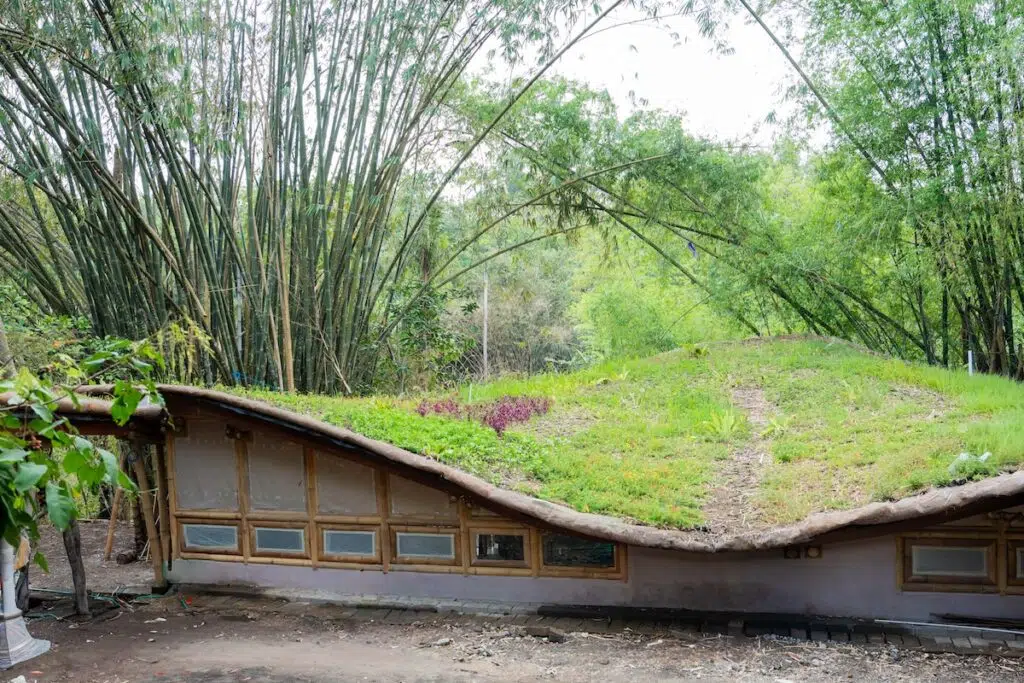
Students learn from the BiRD Lab’s green roof how to install green roofs on other buildings. Along the way, they collect data on the bees and butterflies around them and track the fireflies.

Lower School

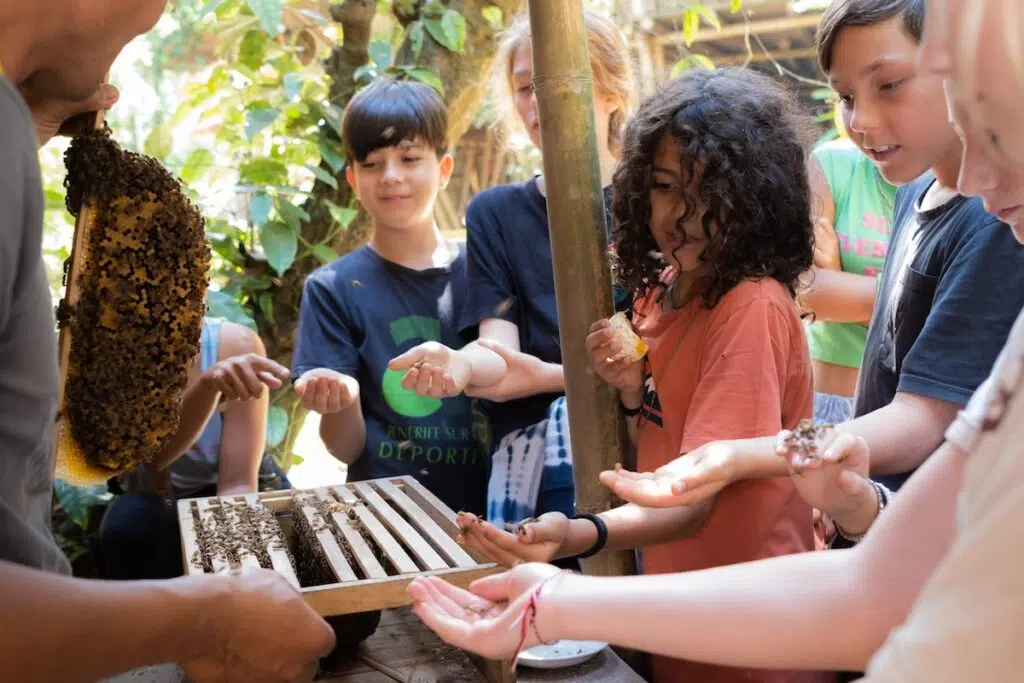
Students studied wayang kulit shadow puppetry, then designed and made their own gunungan puppets to tell the story of their learning. Seven-year-olds record stingless bees buzzing high in the treetops, then match the sounds against a library of bee recordings.

Early Years

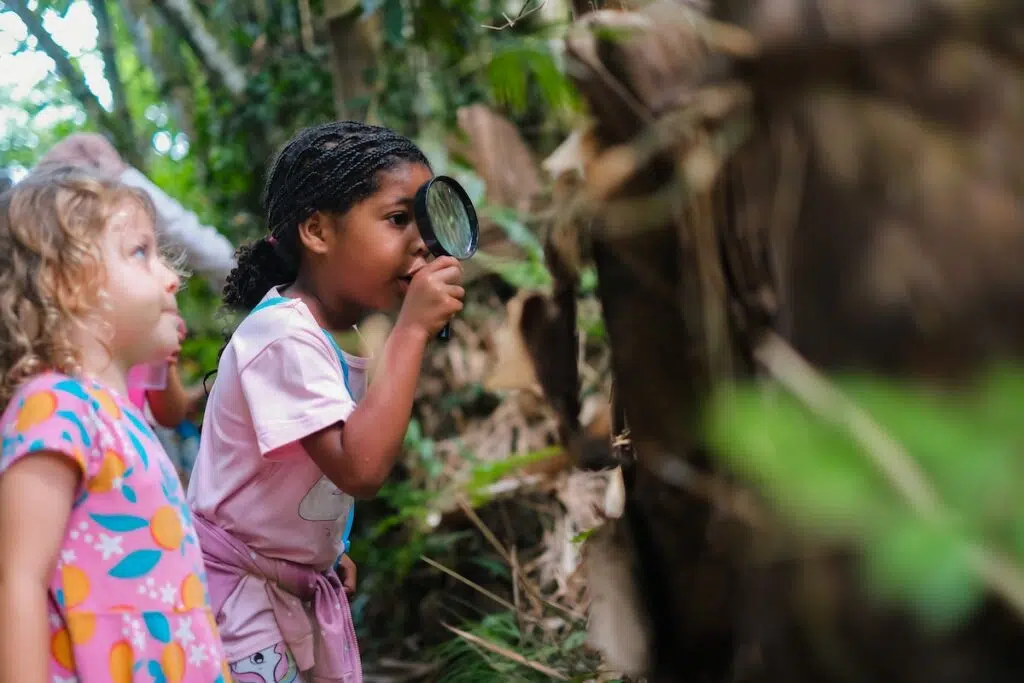
Our youngest learners start with Sensing: noticing, touching, listening to and asking about the living world around them every day.

Working the way life works

At BiRD, biomimicry means imitating life itself: working in cycles, in relationship, wasting nothing, and making room for more life, as life has done for 3.8 billion years.

Regenerative design begins with place: the people, the river, the soil and the creatures that share it. Students design as part of that place, in reciprocal relationships, so that what they make opens up new possibilities for the life around them.

Working the way life works
At BiRD, biomimicry means imitating life itself: working in cycles, in relationship, wasting nothing, and making room for more life, as life has done for 3.8 billion years.
Regenerative design begins with place: the people, the river, the soil and the creatures that share it. Students design as part of that place, in reciprocal relationships, so that what they make opens up new possibilities for the life around them.

Four movements

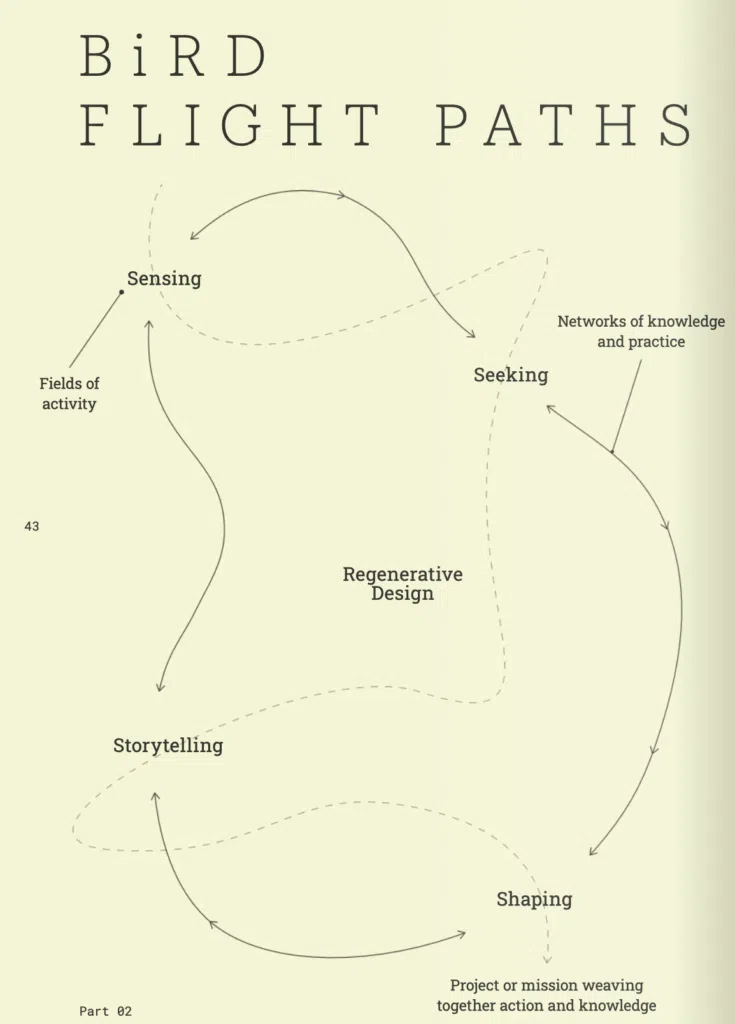
Every BiRD project moves through Sensing, Seeking, Shaping and Storytelling.

Sensing


We notice what the living world shows and hides.
Students listen for voices usually left out: other people, other species, and past and future generations. They ask: What would the river say? What advice would my grandparents give? What would people my age think in 60 years’ time?

Seeking


We ask big questions to understand and respond.
Students search for the question most worth asking. Often it starts with: what would I set out to do if I knew I couldn’t fail?

Shaping


We create with the living world to help life flourish.
Students ask how life itself does it, how a lotus leaf stays clean or bamboo bends without breaking, then prototype, test, and try again in the lab.

Storytelling


We share what happens so connection can grow.
Students share their work with the people and places it touches, notice how it lands, and keep improving it.

Every project is a flight path

Every project starts from something a student cares about, draws on what others already know and do, and becomes real action in the world


A student might move between Sensing and Seeking many times before they start Shaping, and Storytelling often sends them back to Sensing.

A student curious about food packaging, for example, might start by Sensing: talking to warung owners and following a plastic wrapper from the market to the river. Their Seeking question might be: What could Bali wrap its food in instead? Shaping could take them to banana leaves, and to why they have always worked, and Storytelling back to the warung owners with something to try.

The BiRD Lab

The BiRD Lab is where students turn questions into research, ideas into prototypes, and learning into action.

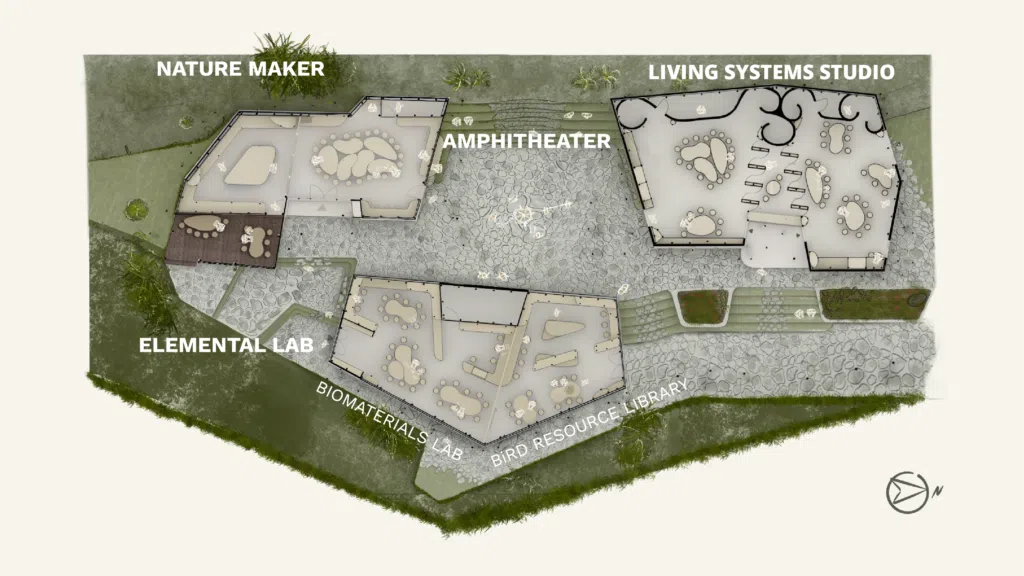
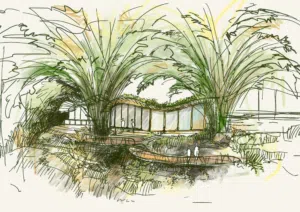
Designed with IBUKU, BiRD has three buildings: the Living Systems Studio, the Nature Maker and the Elements Lab, gathered around an outdoor amphitheatre. The compressed rice husk walls draw down carbon, and the floors are limecrete. Middle and High School students planted the green roof, which grows plants for natural dyes.

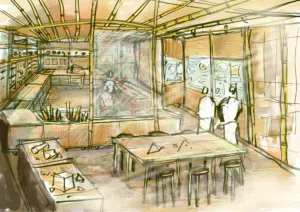
The Living Systems Studio is where projects are conceived. Groups map whole systems across the walls, decide which questions to pursue, and plan their flight paths through Sensing, Seeking, Shaping, and Storytelling together.

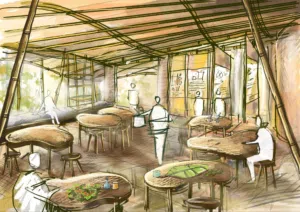
The Nature Maker is a workshop for making with the living world, where students turn organic materials into prototypes they can hold, test, and remake.

The Elements Lab is where students research new materials made from plant fibres and mycelium. It also houses the BiRD resource library: books, journals, natural specimens, and material samples.

Rooted in Bali

Tri Hita Karana, the Balinese philosophy of harmony between people, nature and the spirit, is one of BiRD’s foundations. Students working with communities in Bali show how their designs honour it, and students working elsewhere learn to listen to the knowledge of those places.

What BiRD means for your child

BiRD runs throughout your child’s education; it combines intellectual challenge with real-world application; and it develops their confidence and capability to shape, rather than simply respond to, the world around them. Those capacities go with them into university, a venture of their own, or whatever the moment brings.